Since 1947 it has been claimed that UFOs/flying saucers are evidence of aliens visiting the Earth. Since the 1950s claims of encounters with landed craft and alien beings were talked about but not taken seriously. In the 1960s the subject of UFO abduction was a "slow-burner" until the whole "Grey" abduction phenomenon and claims made by researchers. But is there evidence to back up any of the claims -and what about those encountering Alien Entities but who were not abducted?
2017 is the time to assess the past evidence and look at the faults within Ufology.
Not everyone is going to be happy -debunkers or ufologists.
Humans have always been fascinated by reports of strange and mysterious beasts prowling the Earth. But are they fact or fantasy? What were the mystery beasts that killed people in France during the 17th and 18th centuries? Are there Bigfoot-like creatures in the UK? What about the reports of werewolves? Are humanoid bat-like creatures flying around the United States and UK? Others included in this book are the Vampire of Niali, the Devil's foot-prints of Gatagon;
The Supernatural Invasion: Slender-man and Black Eyed Kids
Mystery Creature of the Bay of Flamanville,Things Caught on Camera –Fact and Fiction,The Bat Creatures, The Owl-man
The British Pig-man and Snake-man, The Pictish Beast
Shunka Warak'in –A Hyena Too Far? and many others.
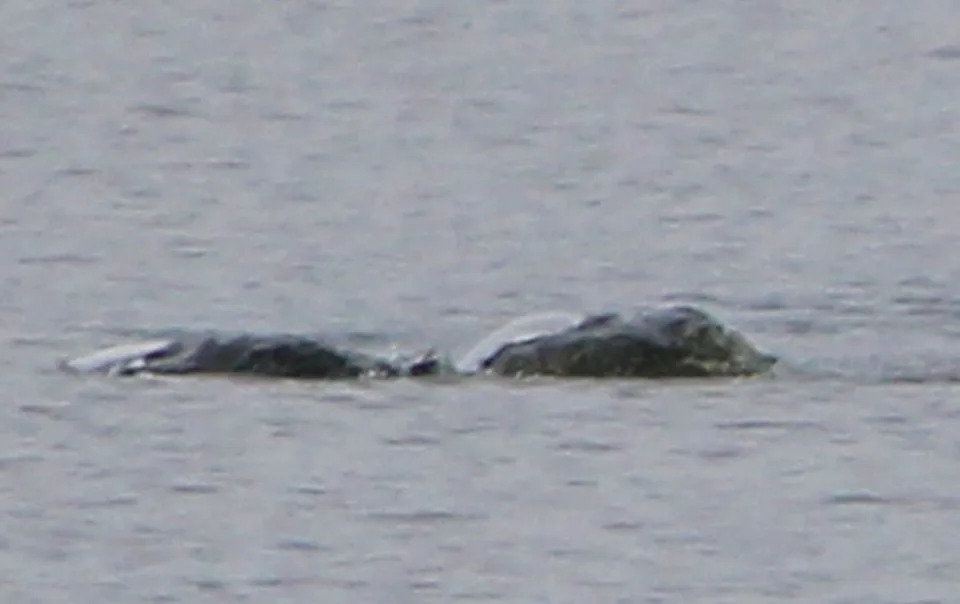
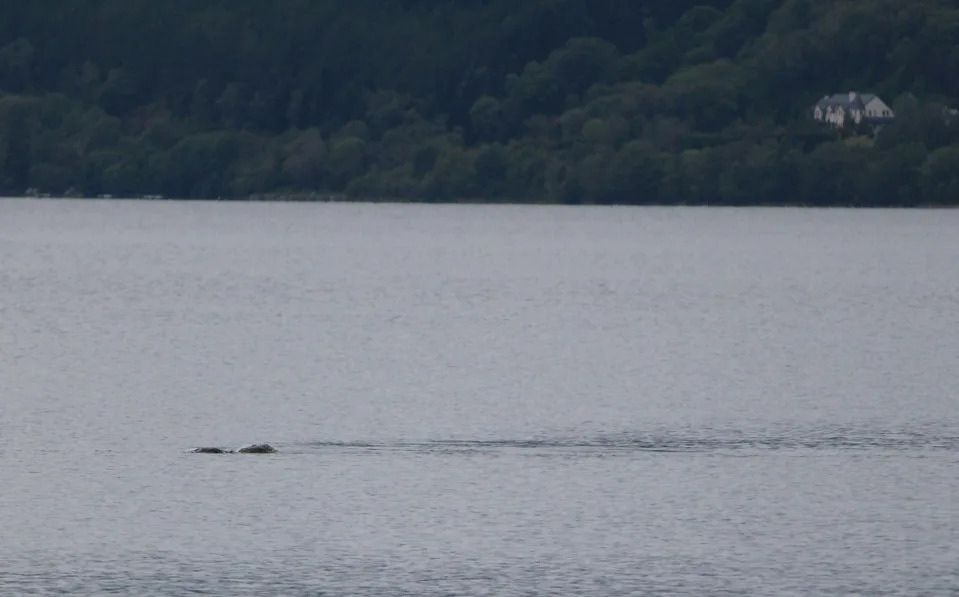
Chie Kelly photographed a 'creature' in Loch Ness - Chie Kelly/Peter Jolly Northpix
It was the “most exciting” potential sighting of the Loch Ness monster captured on camera for decades.
But now, a paranormal investigator has dampened Nessie hunters’ hopes by saying the strange object photographed “spinning and rolling” in the water is “most likely” a sturgeon.
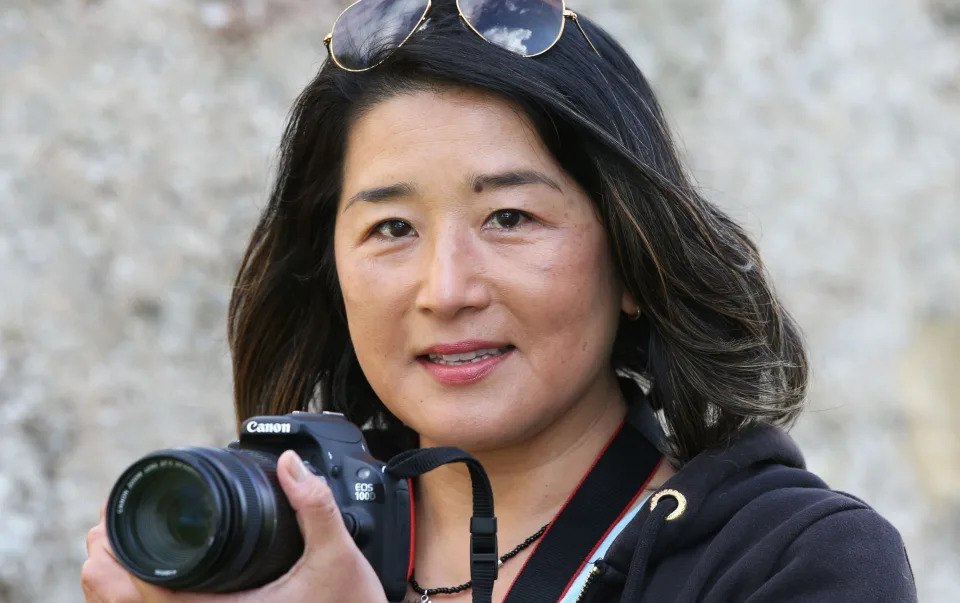
Translator Chie Kelly revealed the pictures last week after seeing the “creature” moving at a steady speed while she was having lunch at a pub on the banks of Loch News in Scotland on Aug 13 2018.
Ms Kelly kept quiet about the pictures for fear of ridicule, but went public after hundreds of volunteers descended on Loch Ness last week for a two-day monster hunt – the biggest attempt to get to the bottom of the myth in decades.
Although the image has been hailed as the “most exciting” picture taken of Nessie in decades, Hayley Stevens, a paranormal researcher and regular contributor to the BBC Radio 4 podcast Uncanny, said: “I personally think it is most likely that they saw a large sturgeon in the Loch.”
Chie Kelly says she saw the creature moving at a steady speed - Chie Kelly/Peter Jolly Northpix
Writing on the award-winning science blog, Hayley is a Ghost, she said: “The photos were taken in August 2018 and sturgeon migrate into fresh water in late summer and early autumn to mate, before heading back out to coastal waters.
“Sturgeon can grow very large – the Atlantic and European sturgeon, which are native to the UK, can grow up to five metres in length.
“Most importantly though, we have to acknowledge the fact that we’ll probably not know for sure what the photo shows but something being currently unexplained does not mean it is unexplainable.”
Thousands of people have taken to message boards to discuss what the image might be, with ideas ranging from two otters playing, to bin bags and even a deflated dinghy.
Chie Kelly initially kept quiet about the pictures for fear of ridicule
Many claim to have seen the face of the monster zooming in on the images, but Ms Stevens warned zooming distorts the picture further and can trigger the “pareidolia effect” – in which the brain interprets random images, or patterns of light and shadow, as faces.
Scientists believe that the “pareidolia effect” evolved to help pick out hidden predators, but it can lead to people seeing faces where they are not there, such as picking out Jesus, the Virgin Mary, or Elvis in objects such as toasts, shrouds, and clouds.
Ms Stevens added: “The photos are a part of the mystery as they do not clearly show what’s in the water.
“This does not stop people from zooming in on the photo – to the point that the photo quality is distorted, in the hope that they’ll find a pixel that tells them the answer.
“In reality, any further detail that emerges from zooming in on a photo to the point that it is pixelated is likely to come from the pareidolia effect.”
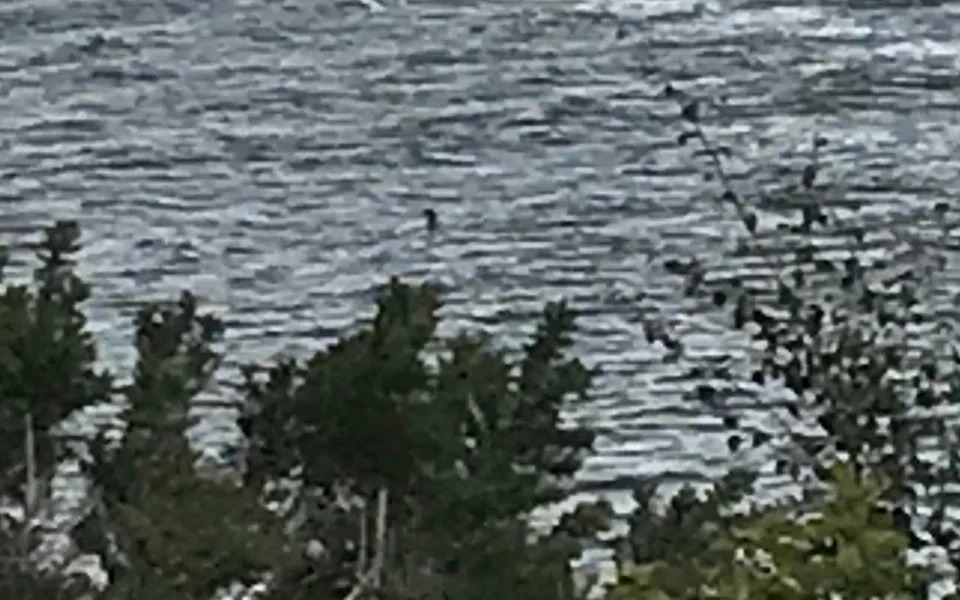
A second photograph showing a strange creature in Loch Ness, emerged over the weekend, taken by 12-year-old Charlotte Robinson, on Aug 17 2018.
Charlotte Robinson took a photo of a creature in Loch Ness in 2018 - Peter Jolly/Northpix Press Agency
Charlotte, from Leeds in Yorkshire, said that it had “a neck and head in the shape of a hook” and had disappeared, before reemerging elsewhere for about a minute.
The shape in the picture is similar to the most famous image of “Nessie” taken by Robert Kenneth Wilson, a gynaecologist, in 1930, which also showed a creature with a long neck and small head moving through the water.
The image – which became widely known as “the surgeon’s photograph” – later turned out to be a hoax, created by a disgruntled ex-Mail employee who was angry that his father-in-law had been ridiculed by the newspaper for claiming he had found Nessie footprints.
Nevertheless, both Charlotte and Ms Kelly’s sightings have been accepted by the Official Loch Ness Monster Sightings Register.
Gary Campbell, the keeper of the register, said the two new images were “the best of Nessie ever taken and are totally baffling”.
Members of the Loch Ness Exploration group who took to the loch last week said their microphones had picked up “strange sounds” but said they had forgotten to turn on their recording equipment, so their claims cannot be verified.
Some Nessie hunters believe the creature could be a plesiosaur that survived extinction.
The theory was boosted last year when the University of Bath found fossils of small plesiosaurs in a 100-million-year-old river system that is now in Morocco’s Sahara Desert, suggesting some did live in freshwater.